
If you've spent any time configuring user authentication on... Full Story
By Manny Fernandez
November 14, 2019

Initial Config for a Stand Alone Checkpoint 1450 Appliance
I have many firewalls from many vendors. I have Palo Alto, Cisco, Juniper, SonicWall, Barracuda, and now a Checkpoint. Since I do not have a Central Manager, I am setting this one up as a stand-alone device or managed locally.

Connect your PC to port1 of the firewall and set your computer for DHCP. Open your web browser and browse to https://192.168.1.1:4434
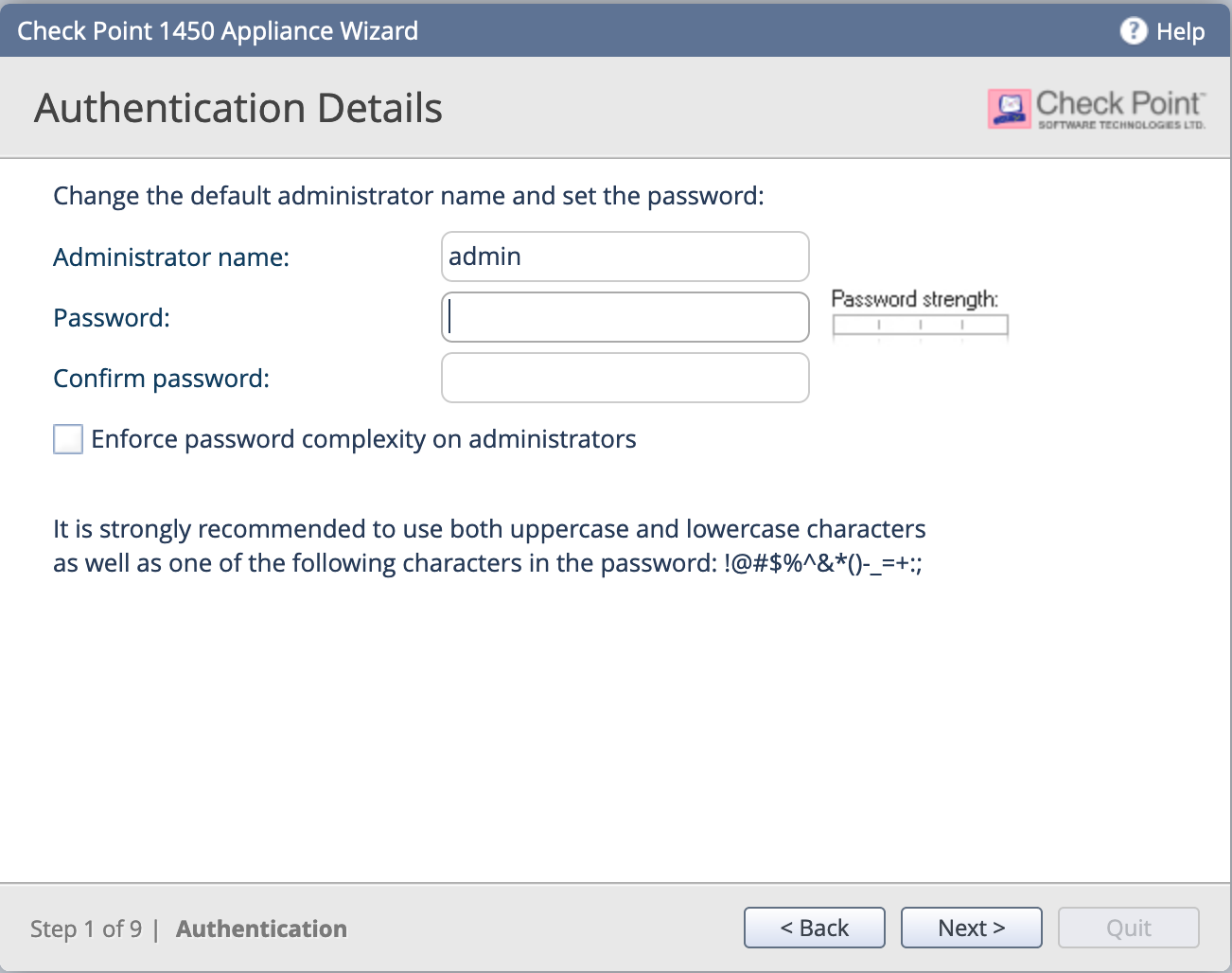
You will need to set and administrator name and password. Optionally, you can Enforce Password Complexity and hit Next
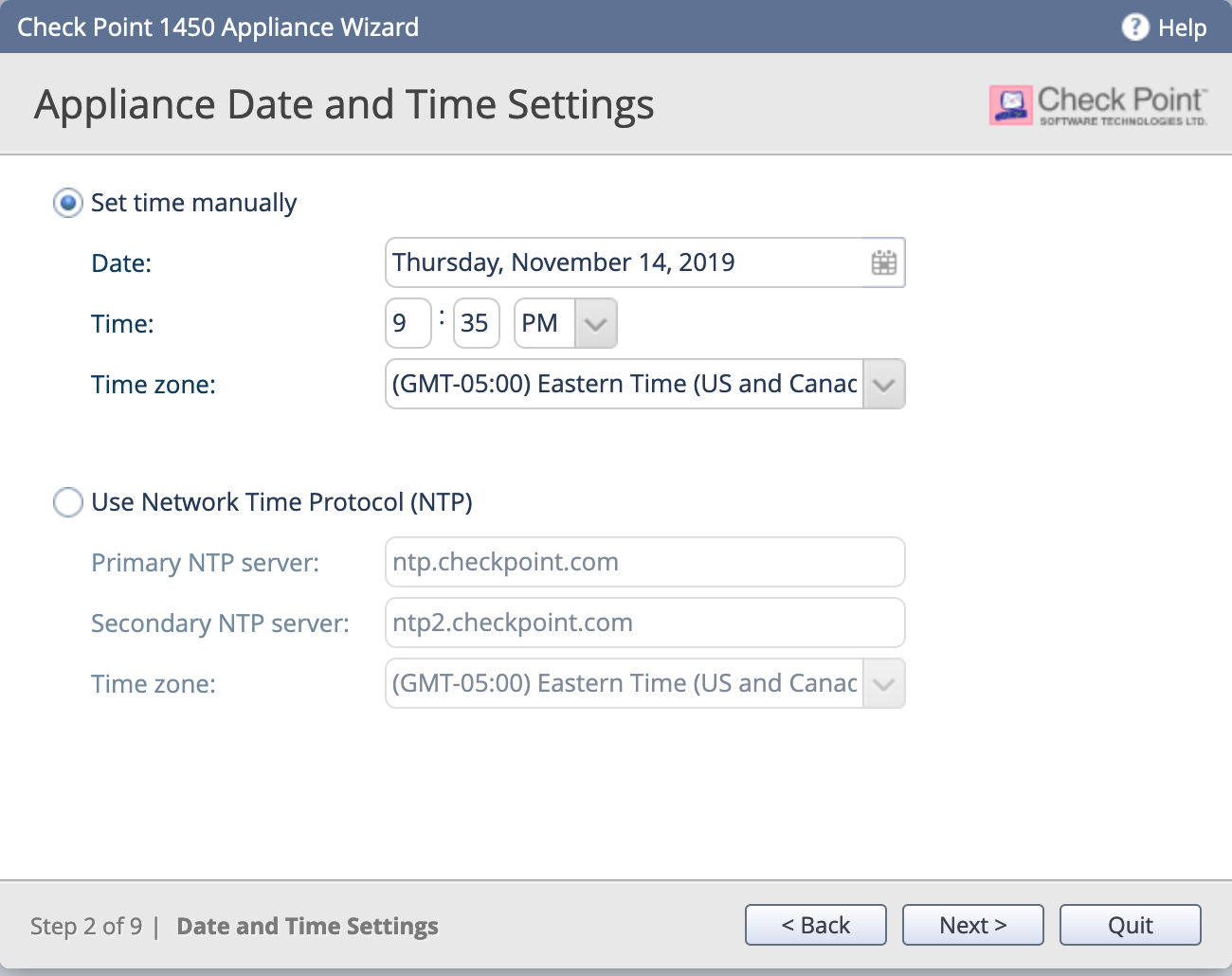
Next, we will set the Date, Time and Time Zone
And click Next
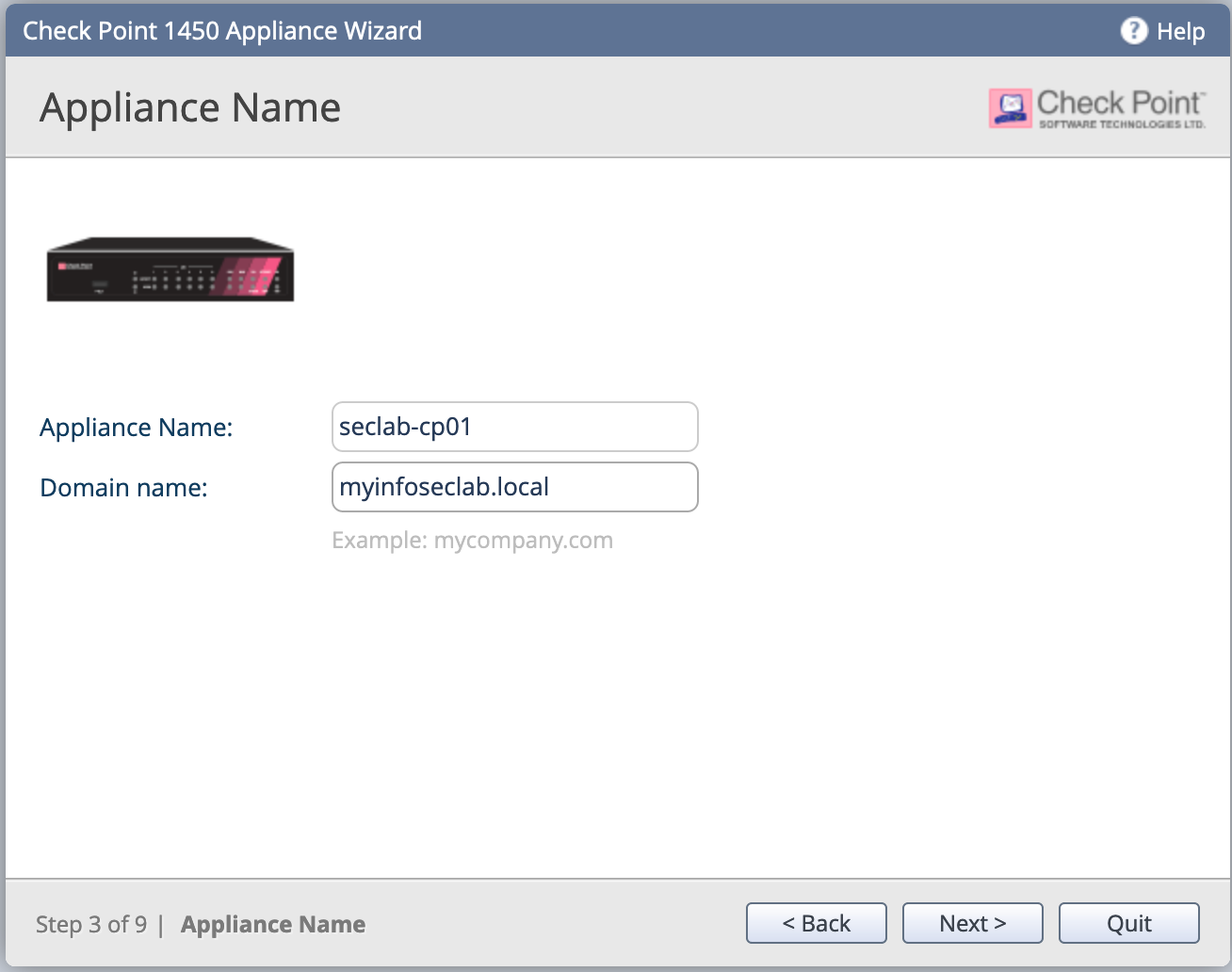
Next we will assign a host name and the corresponding domain name.
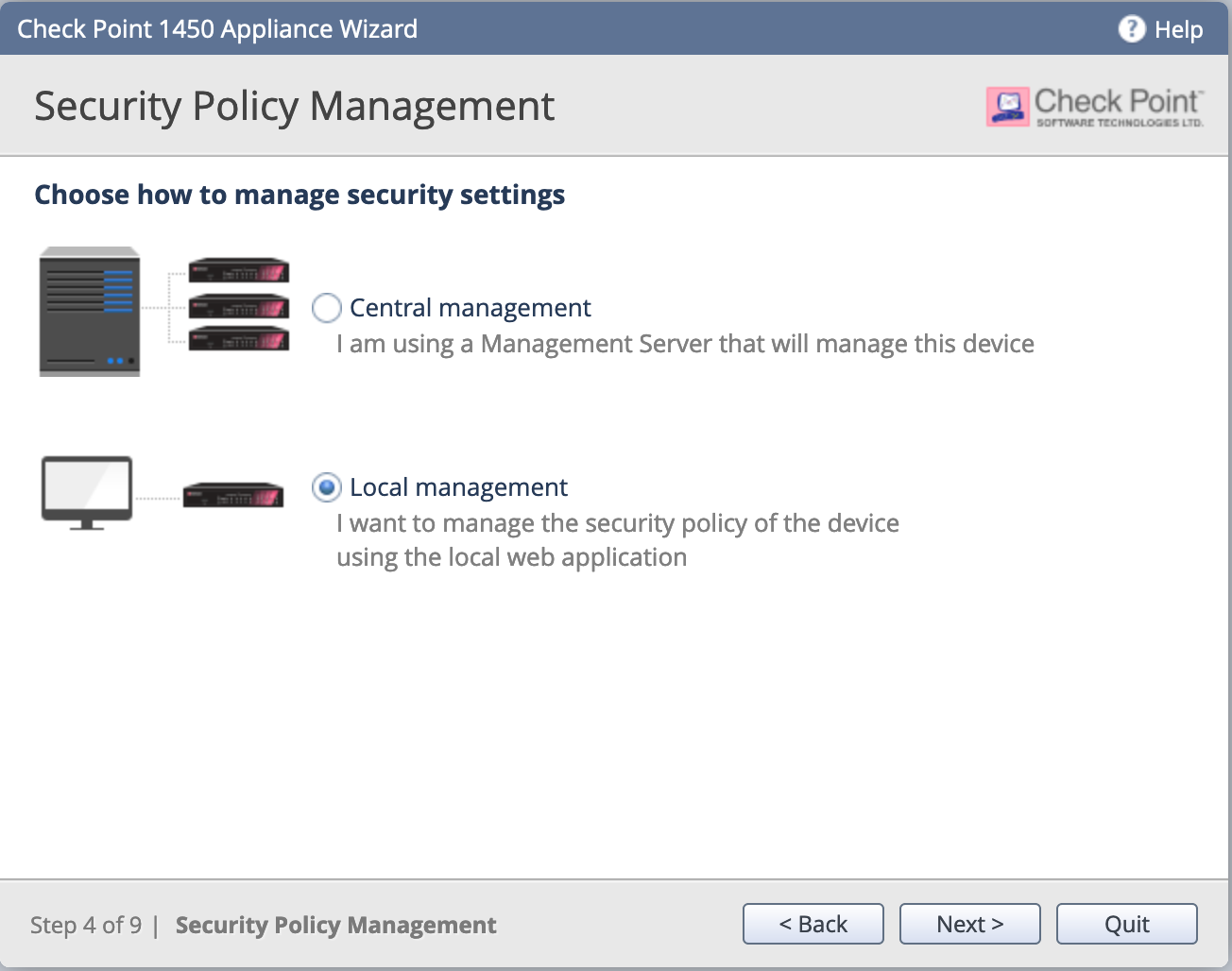
As I stated before, I do not have a Central Manager so I will choose Local management
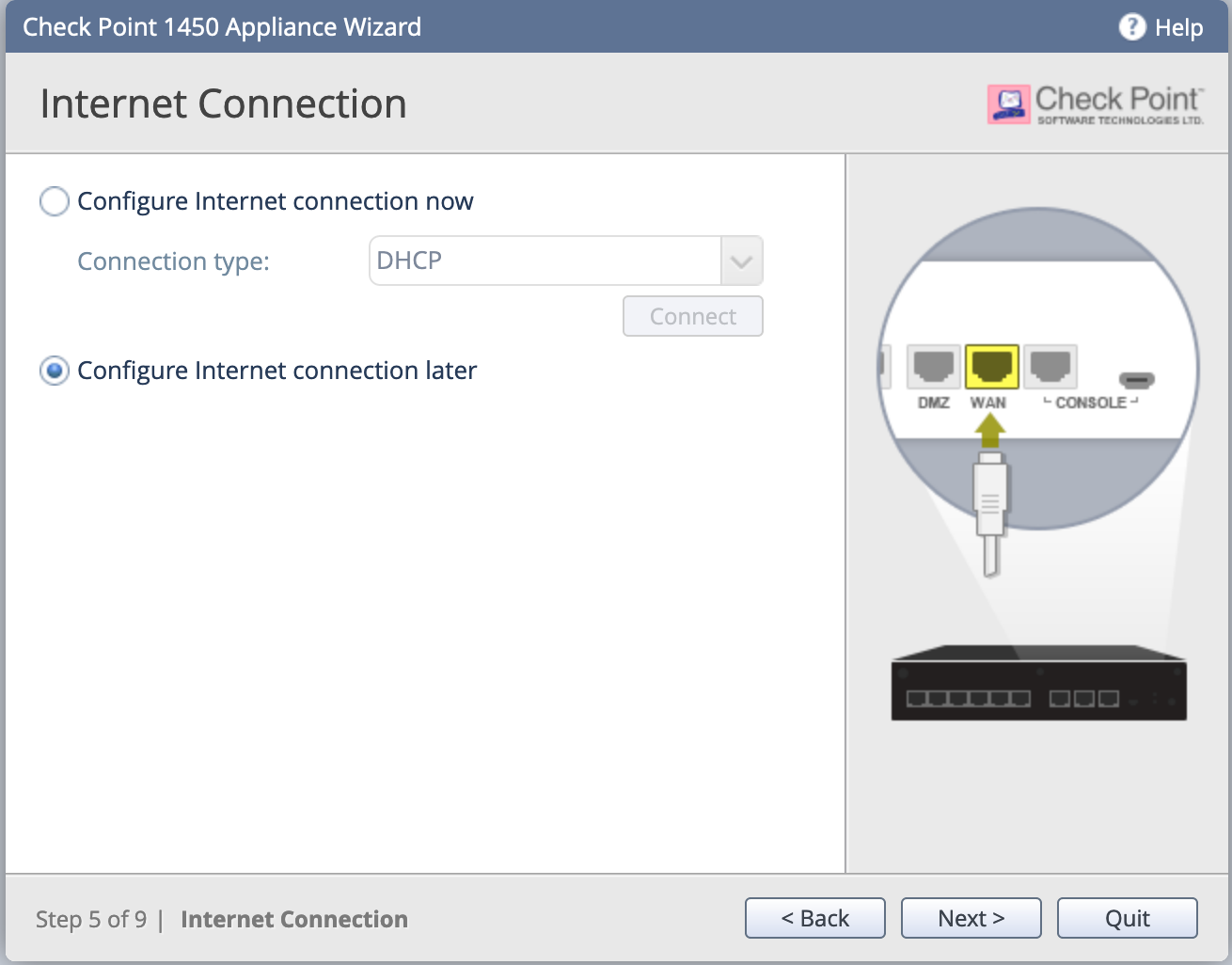
Since I am not putting this on the REAL Internet, I am going to choose the Configure Internet connection later
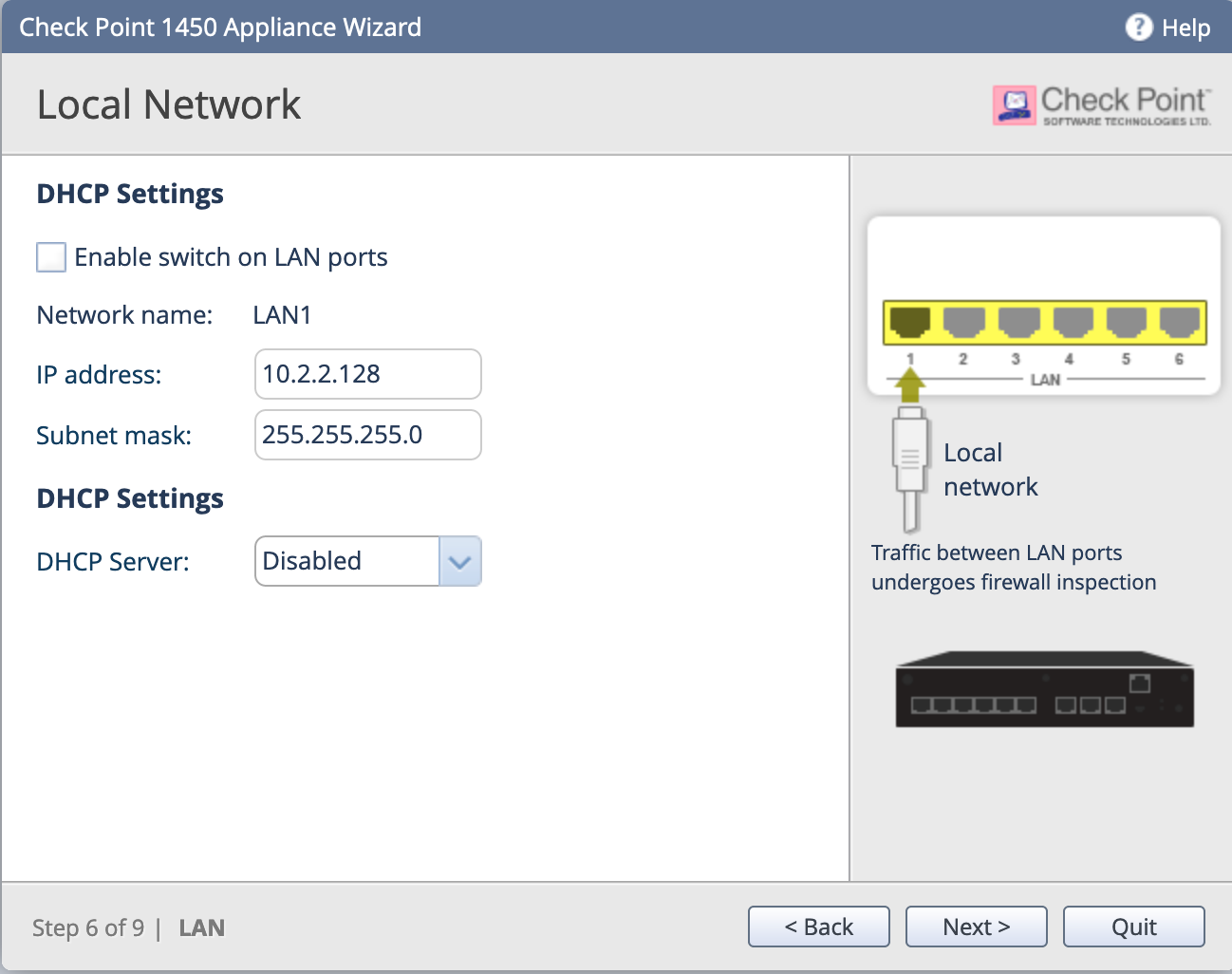
Next, I am going to disable the local switch since I only want to use port1 as the management interface and the others may be connected to other devices in my lab. Since I have other devices on my management port, I am disabling the DHCP server on this LAN.
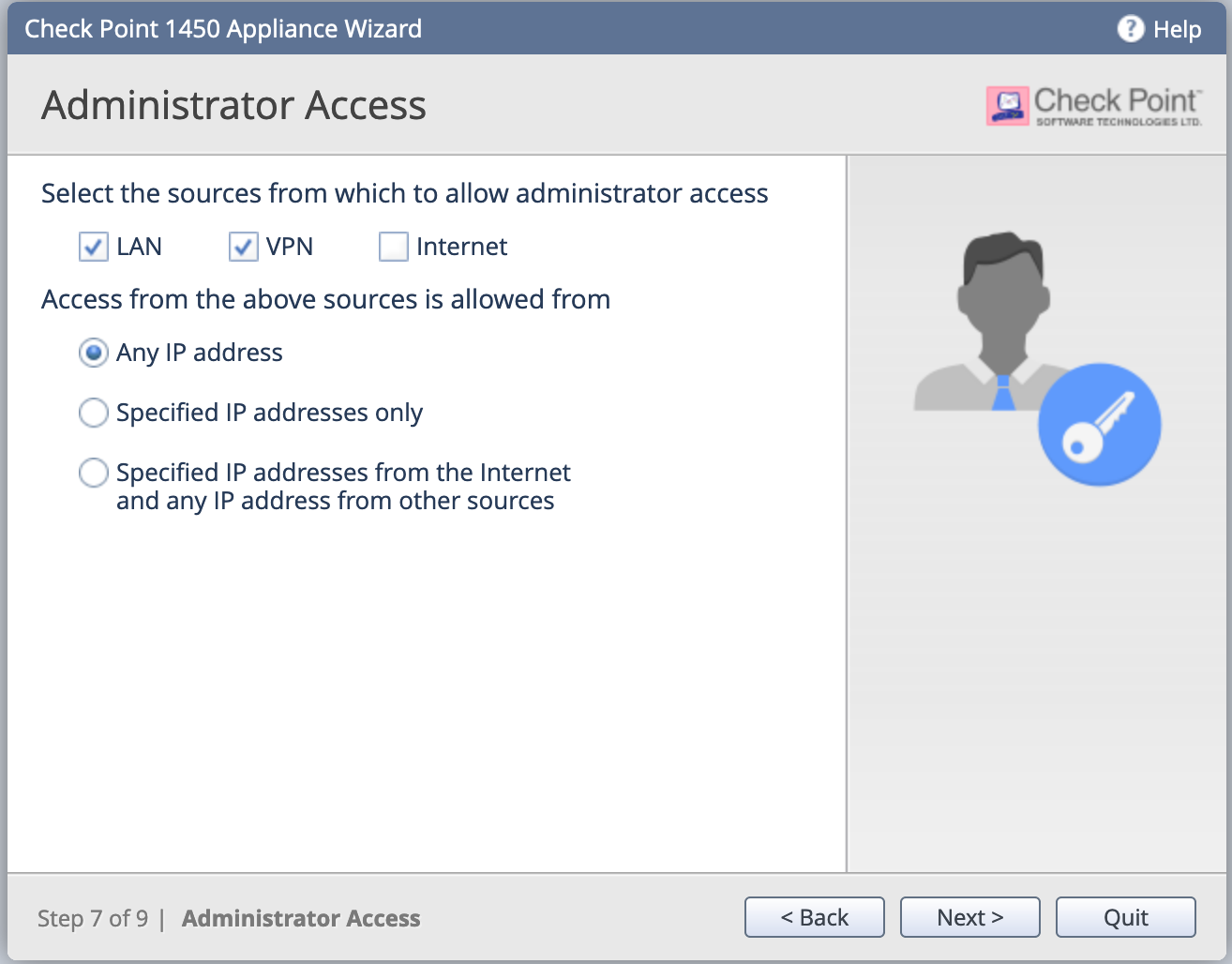
Here we can define what interfaces I want to allow management from. In my case, I am choosing the default which is LAN and VPN. We can also configure trusted hosts where we can permit access from certain IPs and/or subnets.
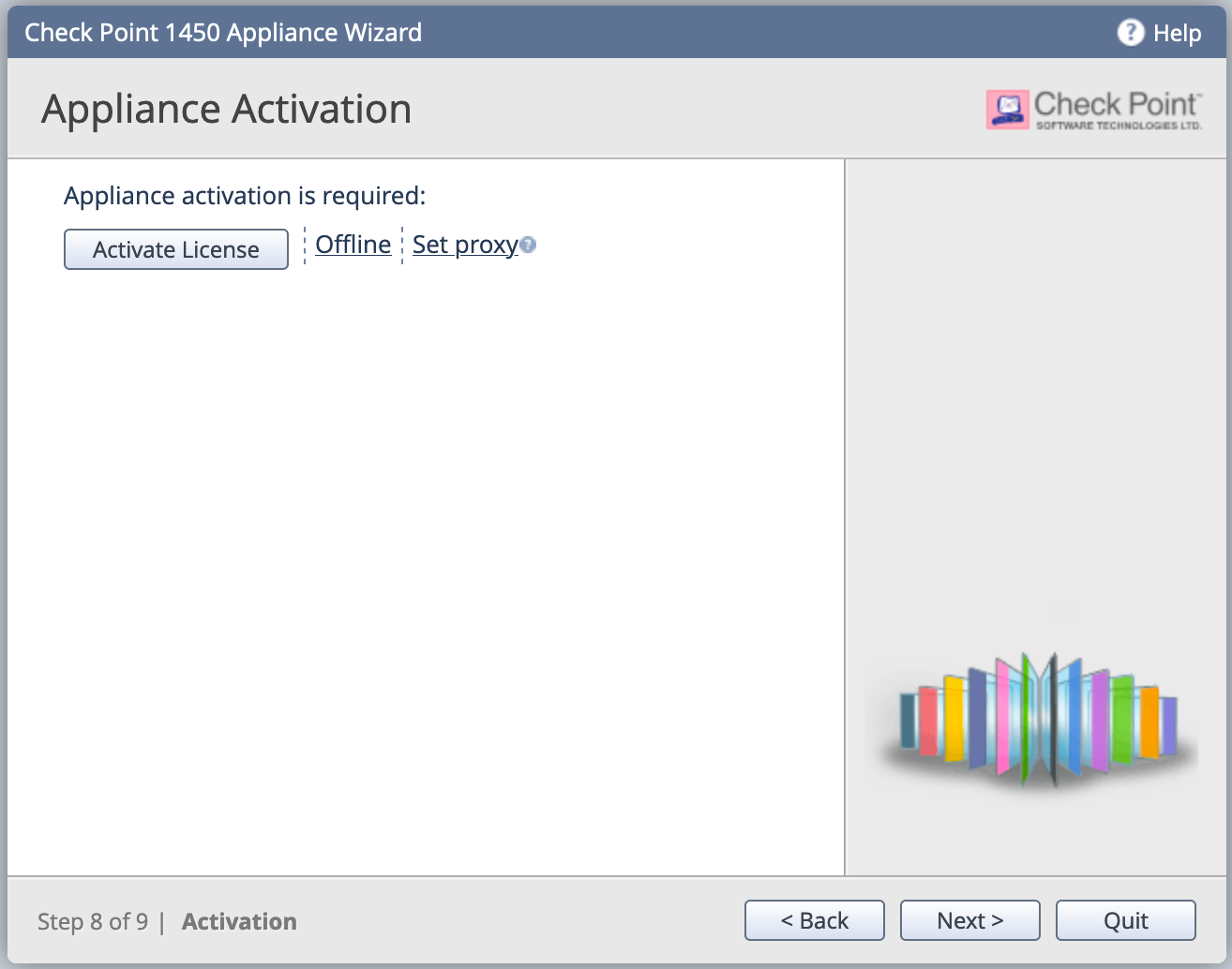
Since I do not have lics for this device, I am just going to hit Next
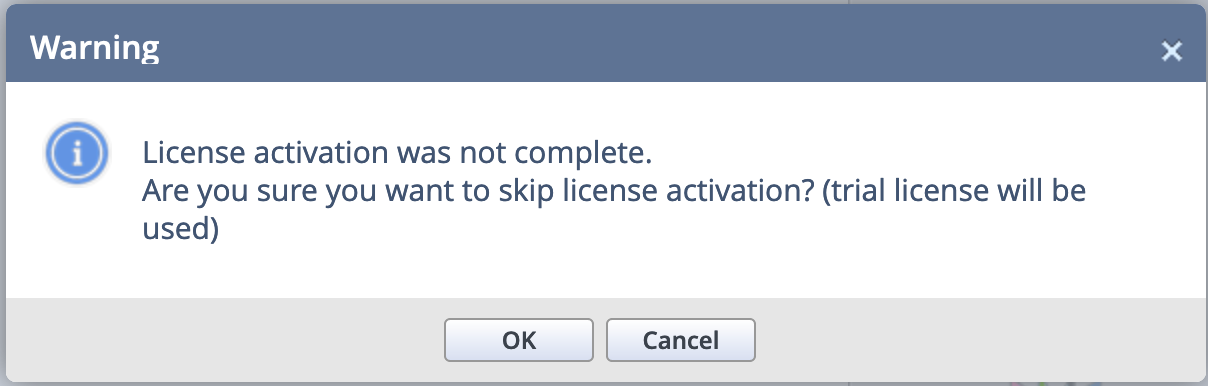
You will of course get an error telling you that by skipping this step, you are going to use the trial license.
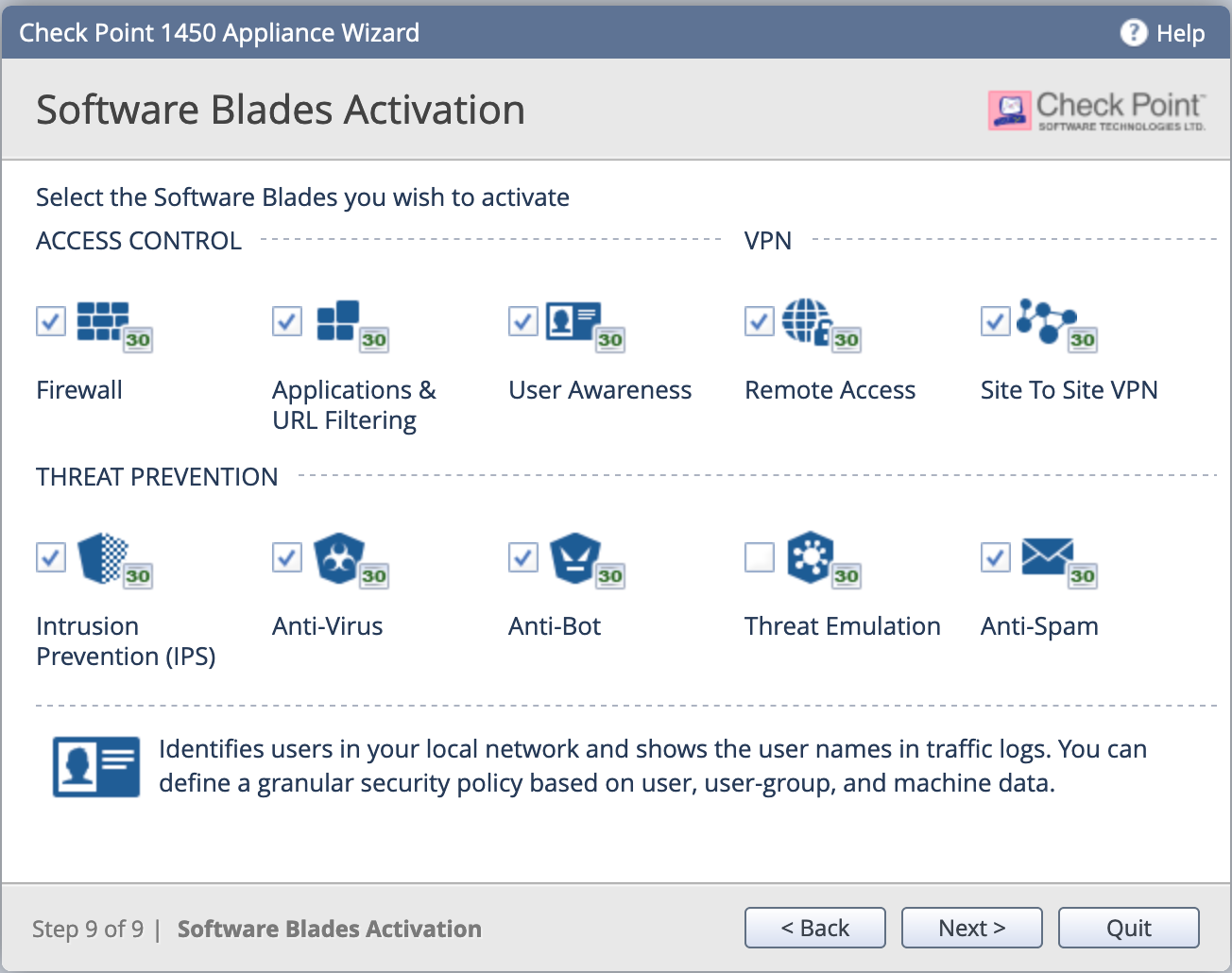
Now we will enable the various BLADES which is analogous to features you want to enable.
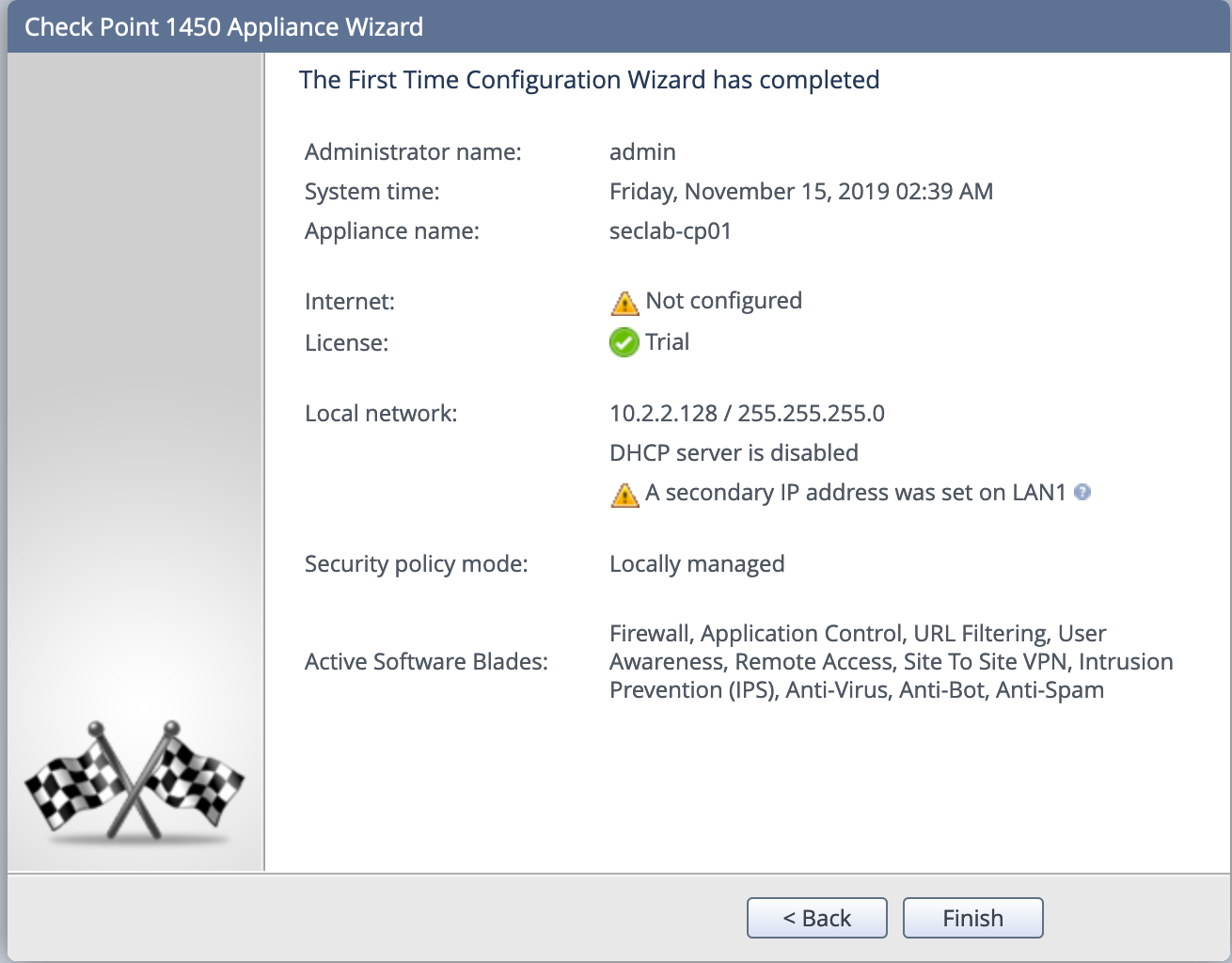 Lastly, we have the final validation where you need validate your configuration and hit
 Finish
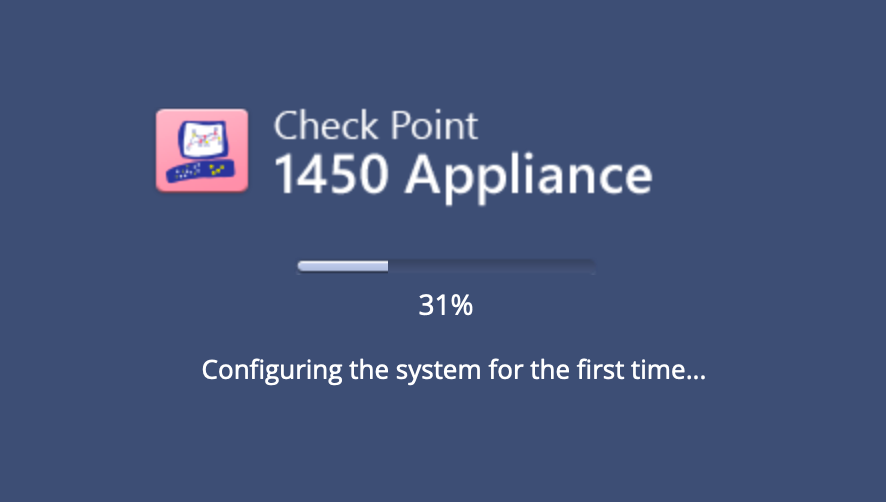
You will see the device rebooting.
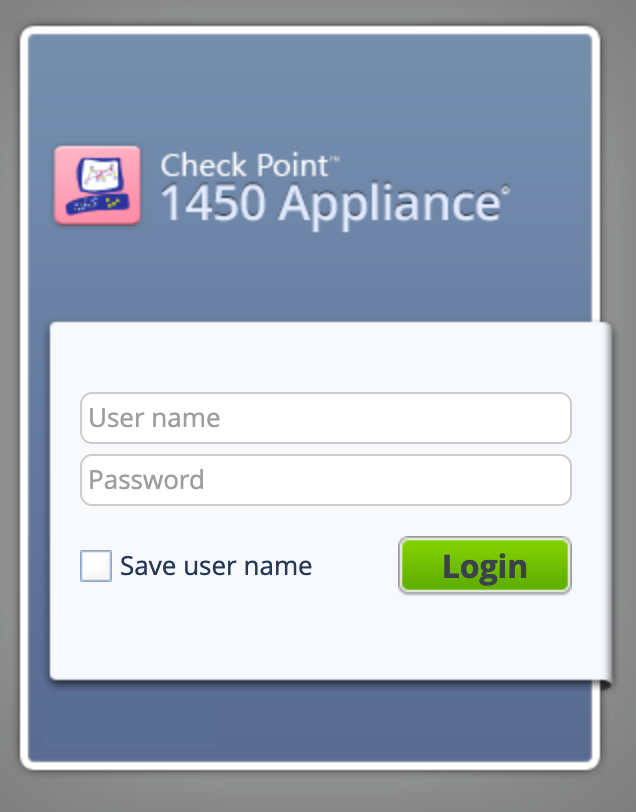
Now you can log in with the IP address you set,
Recent posts
-

-

DNS is one of those technologies that quietly underpins... Full Story
-

BGP issues on FortiGate firewalls usually trace back to... Full Story
-

Every time your laptop talks to your router, a... Full Story
-

If you've spent any time configuring NAT on a... Full Story
-

If you have spent any time configuring firewall policies... Full Story
-

High availability on FortiGate is one of those features... Full Story
-

If you've configured SD-WAN on a FortiGate, you've almost... Full Story
-

FortiLink is the management protocol that turns a FortiSwitch... Full Story
-

FortiSwitches are pretty rock solid from Mean Time Between... Full Story
-

This is a quicky tip. Have you ever gone... Full Story
-

DNS is one of those quiet pieces of internet... Full Story
-

This article is an updated version of the previous... Full Story
-

You will add ns2 as a secondary (slave) BIND9... Full Story
-

In the process of deploying my lab, I needed... Full Story
-

RFC 8805, used to be known as Self-Correcting IP... Full Story
-

Years back, I wrote an article about certificate pinning. ... Full Story
-

FortiGates have the ability to send alerts to Microsoft... Full Story
-

In this post, I am going to walk through... Full Story
-

Troubleshooting VoIP on a FortiGate can feel like trying... Full Story
-

Prior to FortiOS 7.0, there were three commands to... Full Story
-

In this post, I am going to go over... Full Story
-

What we are going to do: We are going... Full Story
-

Choosing between FGCP (FortiGate Clustering Protocol) and FGSP (FortiGate... Full Story
-

Creating a VLAN on macOS (The "Pro" Move) A... Full Story
-

This blog post explores the logic behind how macOS... Full Story
-

Pretty Fly for a Wi-Fi Tell My Wi-Fi Love... Full Story
-

Part of my daily gig is creating BoMs (Bill-of-Materials)... Full Story
-

ICMP introduces several security risks, but careful filtering, rate... Full Story
-

The command diag debug application dhcps -1 enables full... Full Story
-

In the world of FortiOS, execute tac report is... Full Story
-

LLDP; What is it The Link Layer Discovery Protocol... Full Story
-

What it actually does When you run diagnose fdsm... Full Story
-

Monkey Bites are bite-sized, high-impact security insights designed for... Full Story
-

I have run macOS in macOS with Parallels but... Full Story
-

Don't be confused with my other FortiNAC posts where... Full Story
-

This is the third session in a multi-part article... Full Story
-

Today I was configuring key-based authentication on a FortiGate... Full Story
-

Netcat, often called the "Swiss Army knife" of networking,... Full Story
-

At its core, IEEE 802.1X is a network layer... Full Story
-

In case you did not see the previous FortiNAC... Full Story
-

This is our 5th session where we are going... Full Story
-

Now that we have Wireshark installed and somewhat configured,... Full Story
-

The Philosophy of Packet Analysis Troubleshooting isn't about looking... Full Story
-

The Tuesday Afternoon Call It is a quiet Tuesday... Full Story
-

A practitioner breakdown of every TLS version: handshakes, cipher... Full Story
-

A practitioner guide to executables, libraries, mapped files, handles,... Full Story