Earlier today, I received a FortiAnalyzer 1000D from a customer. This was a PoC box that was never picked up after the customer took delivery of the official unit for them. I decided to put it in my lab. Here is what you need to know.
When you boot up the devices and you either don’t have FortiOS on the device or you need to nuke the data on the drives (Option F when you “Press any key to display…” when booting).
What you are going to need:
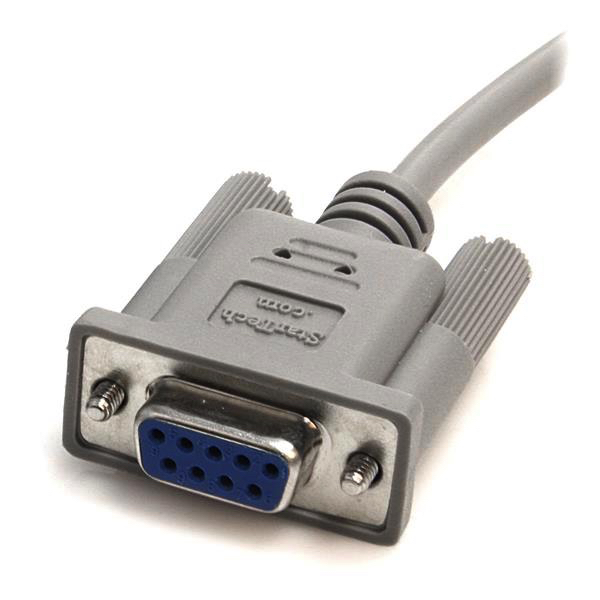
(1) Console cable – This is included in most of the Fortinet devices. You CAN use any null-modem cable such as a Cisco blue cable.
(2) Ethernet Cable
FortiBootLoader
FortiAnalyzer-1000D (13:37-03.07.2013)
Ver:00010003
Serial number:FL-<REMOVED>
Total RAM: 16352MB
Boot up, boot device capacity: 1968MB.
Press any key to display configuration menu...
...
[G]: Get firmware image from TFTP server.
[F]: Format boot device.
[B]: Boot with backup firmware and set as default.
[Q]: Quit menu and continue to boot with default firmware.
[H]: Display this list of options.


Enter Selection [G]:


Enter G,F,B,Q,or H:
G – Will allow you to point the FAZ (or other Forinet device) to a TFTP server.
F – Format the drives
B – The FAZ has two images, you can boot from the deault one.
The other two are self-explanatory
I chose the ‘G’ option
Please connect TFTP server to Ethernet port "1".


Enter TFTP server address [192.168.1.168]: 10.1.108.2
Enter local address [192.168.1.188]: 10.1.108.3
Enter firmware image file name [image.out]: FAZ_1000D-v6-build0255-FORTINET.out
MAC:408D5CE44EBC
##############################################################################################################
Total 115631071 bytes data downloaded.
Verifying the integrity of the firmware image..


Total 266240kB unzipped.


Save as Default firmware/Backup firmware/Run image without saving:[D/B/R]?D
Programming the boot device now.
................................................................................
Enter the IP address of your laptop or TFTP serverThe Local address will be the one it assigns to port 1 of the deviceAnd finally the image name.
When asked how to save the image file. In my case, ‘D’ since I wanted to make it my default.
Once this is done loading the image, the device will boot the correct image and you will be able to login with the admin admin creds.
FAZ1000D login: admin
Password:
FAZ1000D # config system interface


(interface)# show
config system interface
edit "port1"
set ip 192.168.1.99 255.255.255.0
set allowaccess https ssh
next
edit "port2"
next
edit "port3"
next
edit "port4"
next
edit "port5"
next
edit "port6"
next
edit "port7"
next
edit "port8"
next
end


(interface)#