
If you've spent any time configuring user authentication on... Full Story
By Manny Fernandez
September 7, 2019

How we used Fortinet to host a CTF (Capture the Flag)
Every years, the South Florida ISSA puts on a Capture the Flag / Chili Cook Off event. For the past few years, I have been involved in setting up and managing the connectivity for the event. I decided to write up a blog post showing the infrastructure. I am not putting any specifics about the games themselves.
Here is what we ended up using:
- Fortigate 1500D
- FortiAnalyzer 400F
- FortiSwitch 448D-FPoE
- FortiSwitch 124D-PoE
- FortiAP 321C
Here is the layout:
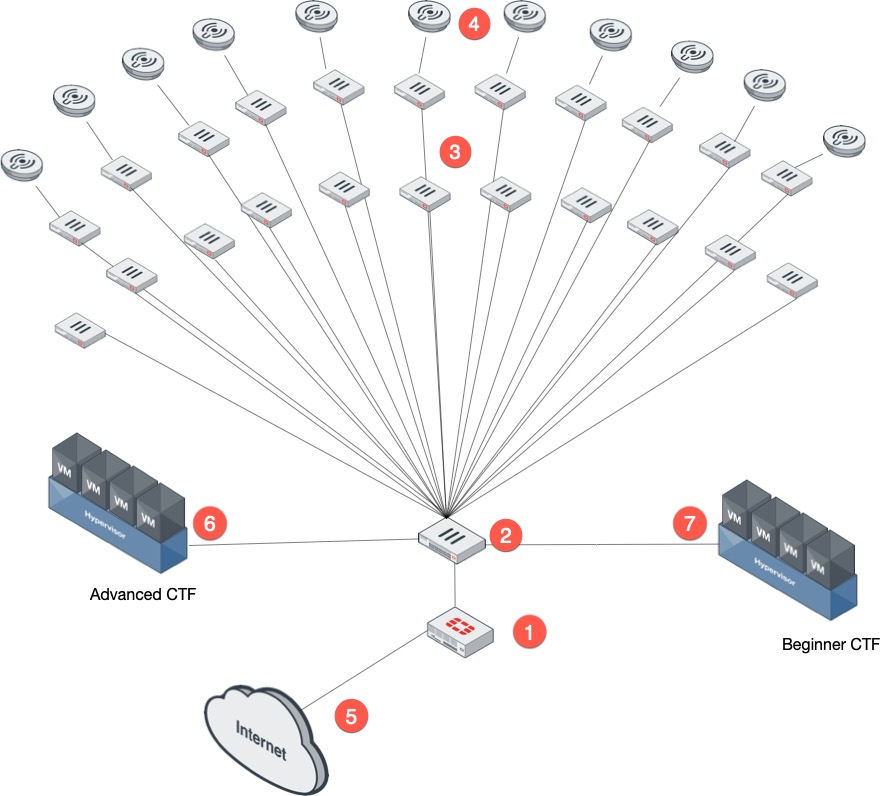
In this environment here are the pieces:
- Fortigate – The Fortigate, the focal point of the config controlled all the switches as well as the Access Points.
- FortiSwitch 448D-FPoE served as the distribution switch for all the tables (3).
- FortiSwitch 124D-PoE – These switches powered the Access Points (4) and allowed the participants to plug into their respective table.
- Access Points – In previous years (prior to 2018) there was no wireless capability for the games. Starting 2018, we provided WiFi as well.
- Internet Access – Also prior to 2018, there was no Internet access from the game itself. Thanks to the gracious IT Department at FIU, they provided an Internet connection for us to use.
- Advanced CTF Environment – The advanced CTF environment was segmented from the Beginner network. They too had an SSID for their teams. This year, Rod Soto integrated an IOT flag involving a lamp. The challenge was to change the color of the light.
- Beginner CTF Environment – The Beginner environment was segmented as well from the advanced and even from other beginner teams.
Each table had their own subnet which kept them isolated from the other tables and Beginner SSID segments as well.
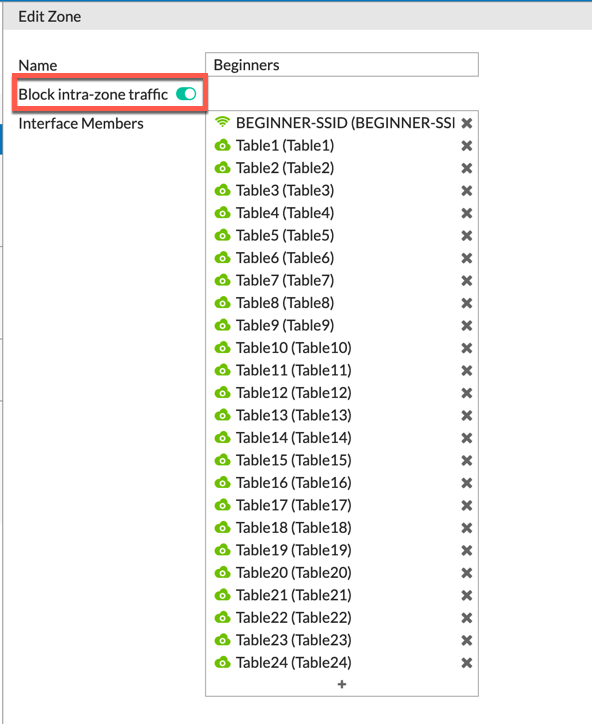
As you can see, we used the Block intra-zone traffic setting int the Zone configurations.
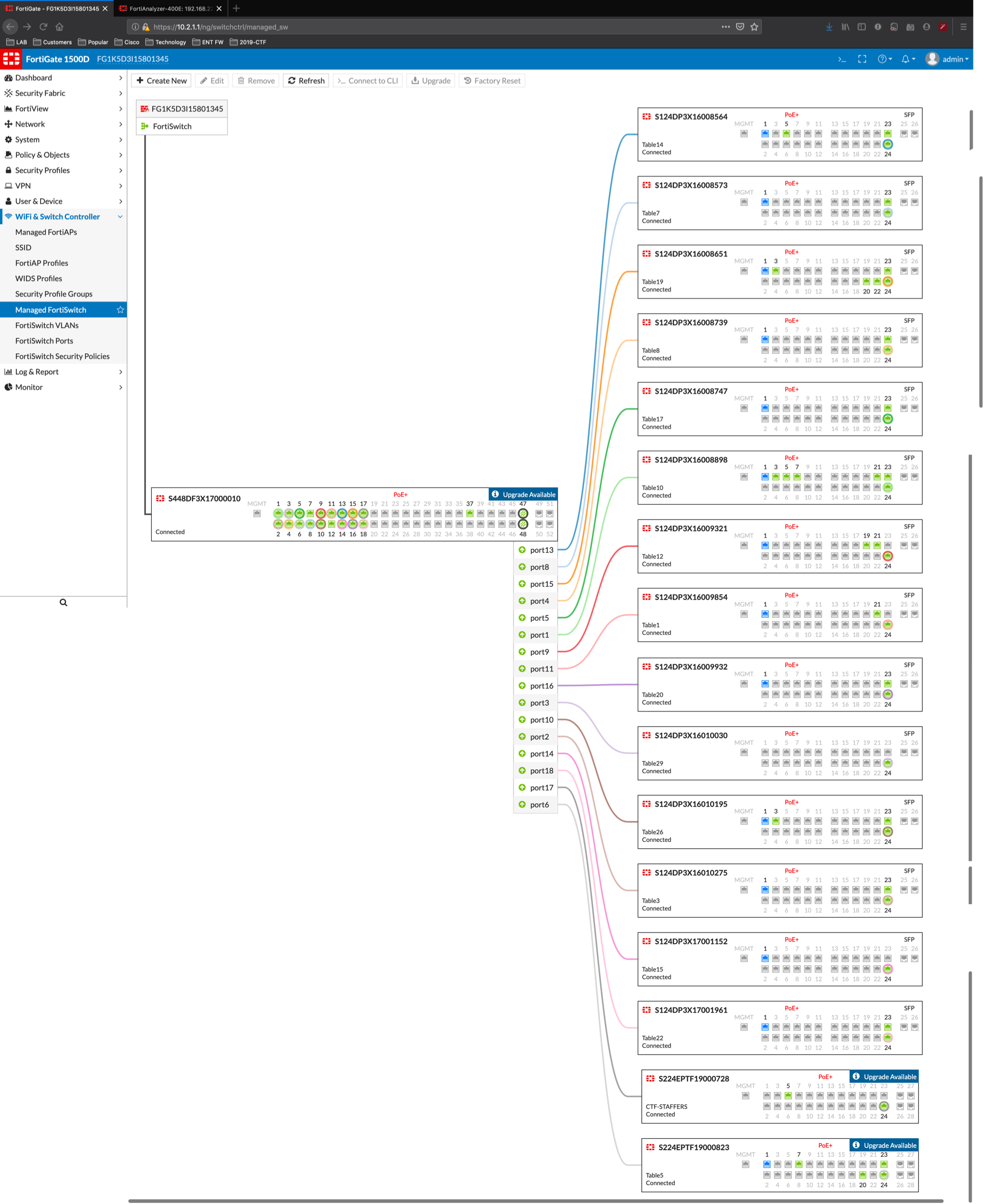
From within the Fortigate, we were able to manage and monitor all the traffic from the switches
Security Profiles
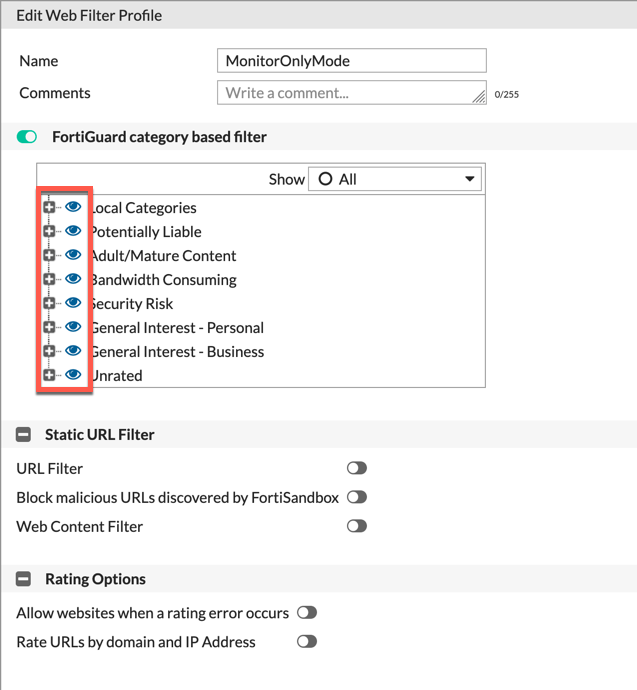
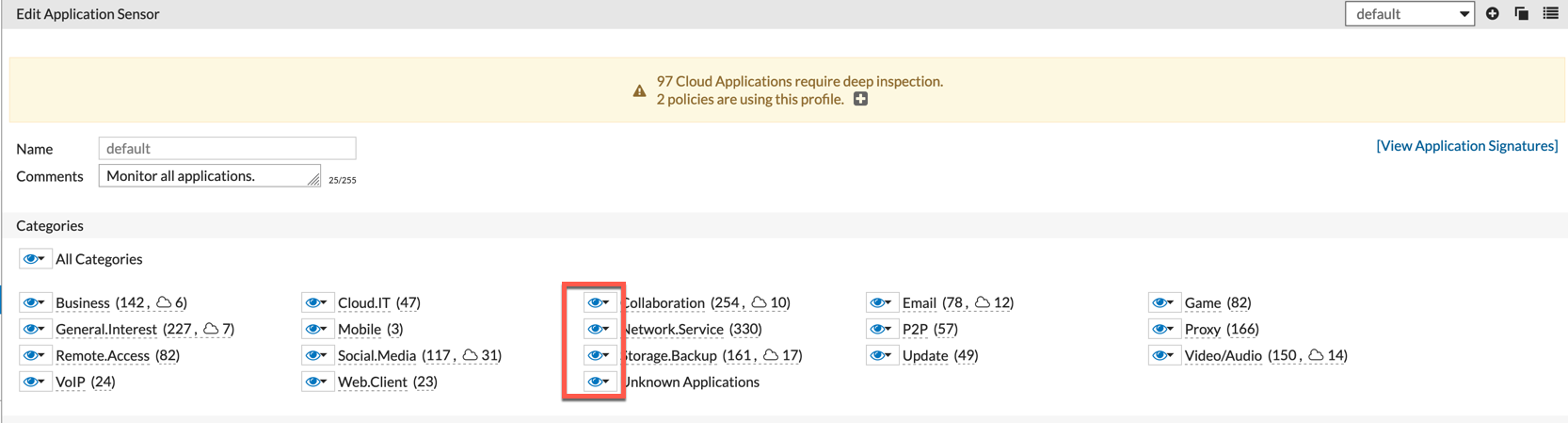
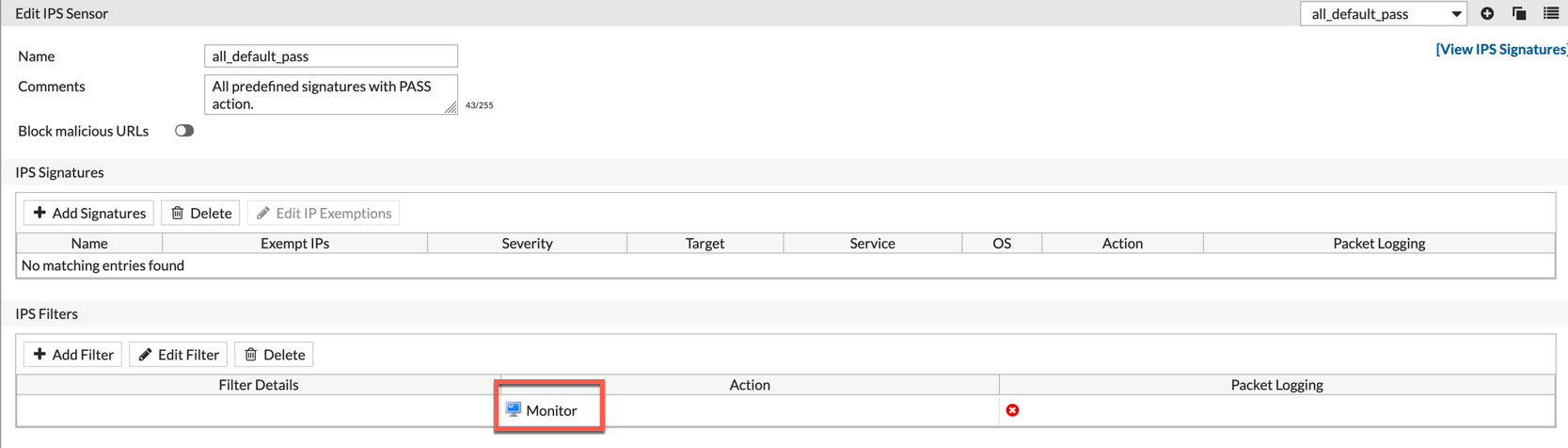
To capture all of the Good traffic as well as the Bad traffic, we set up Monitor-Only profiles and assigned them to the policies.
Web Filter
DNS Filter
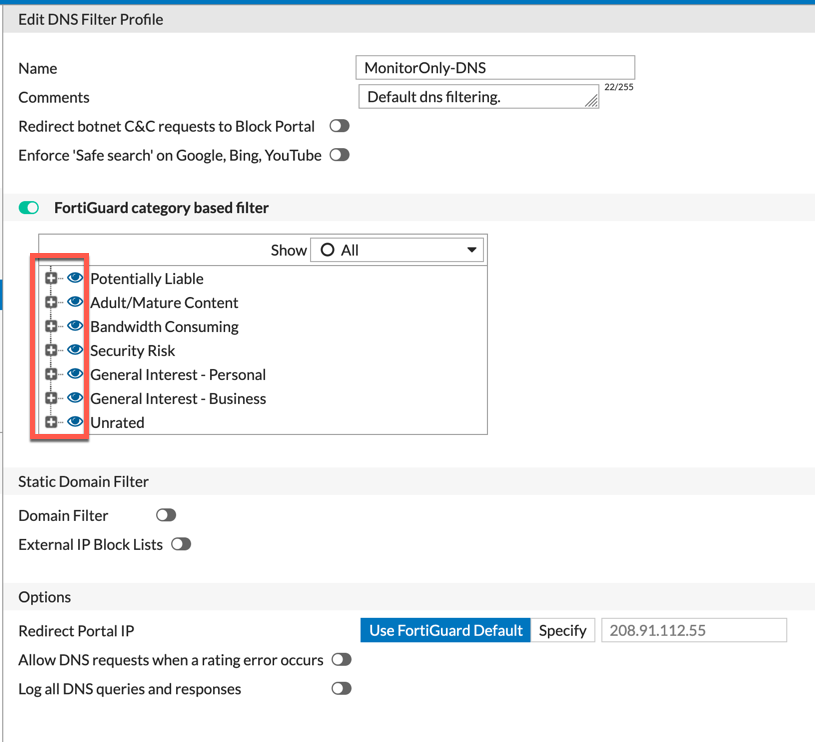
Application Profile
IPS Profile
Interface Configuration
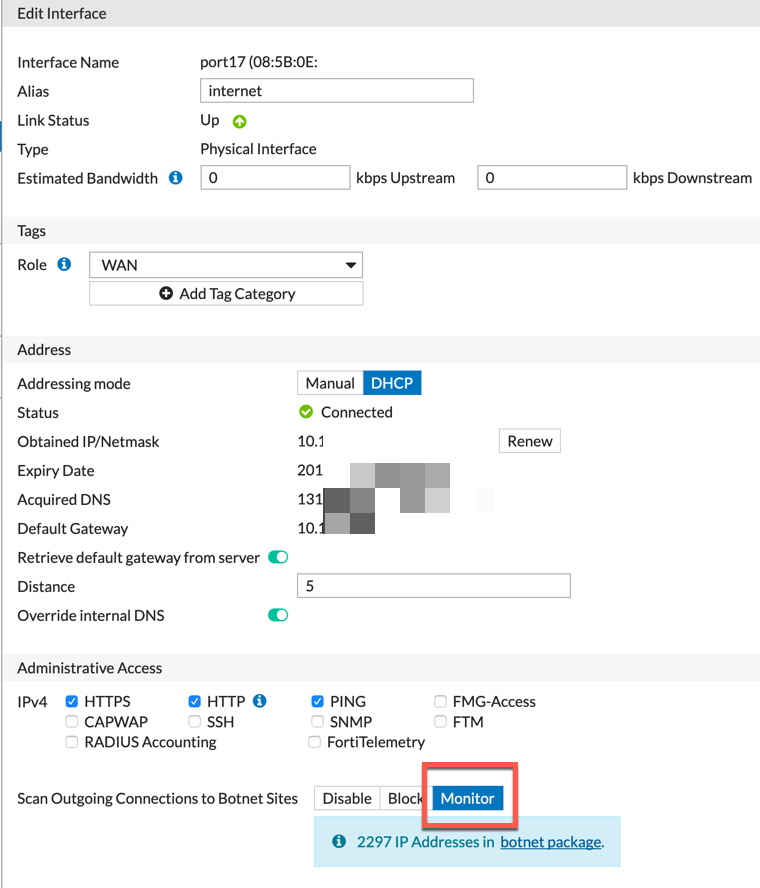
As you can see above, we are using the Scan Outgoing Connection to Botnet Sites with the monitor mode.
Logging
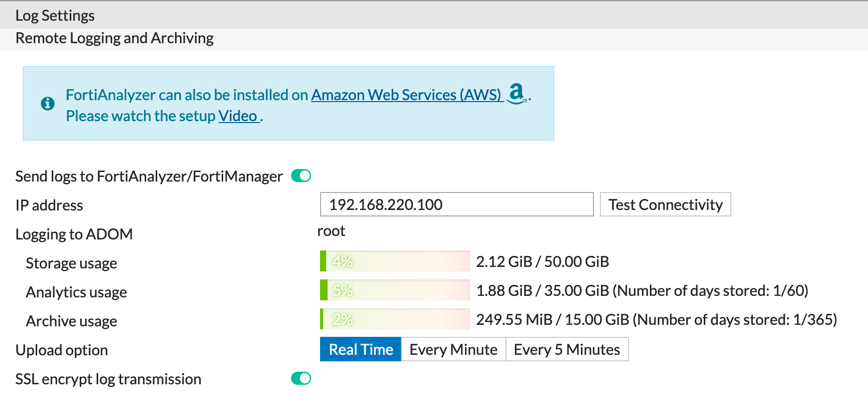
In addition to the FAZ-400F we had on-site, we also had one of the event coordinators run a Splunk instance so we were dumping all the logs to Splunk and FortiAnalyzer.
WiFi Clients
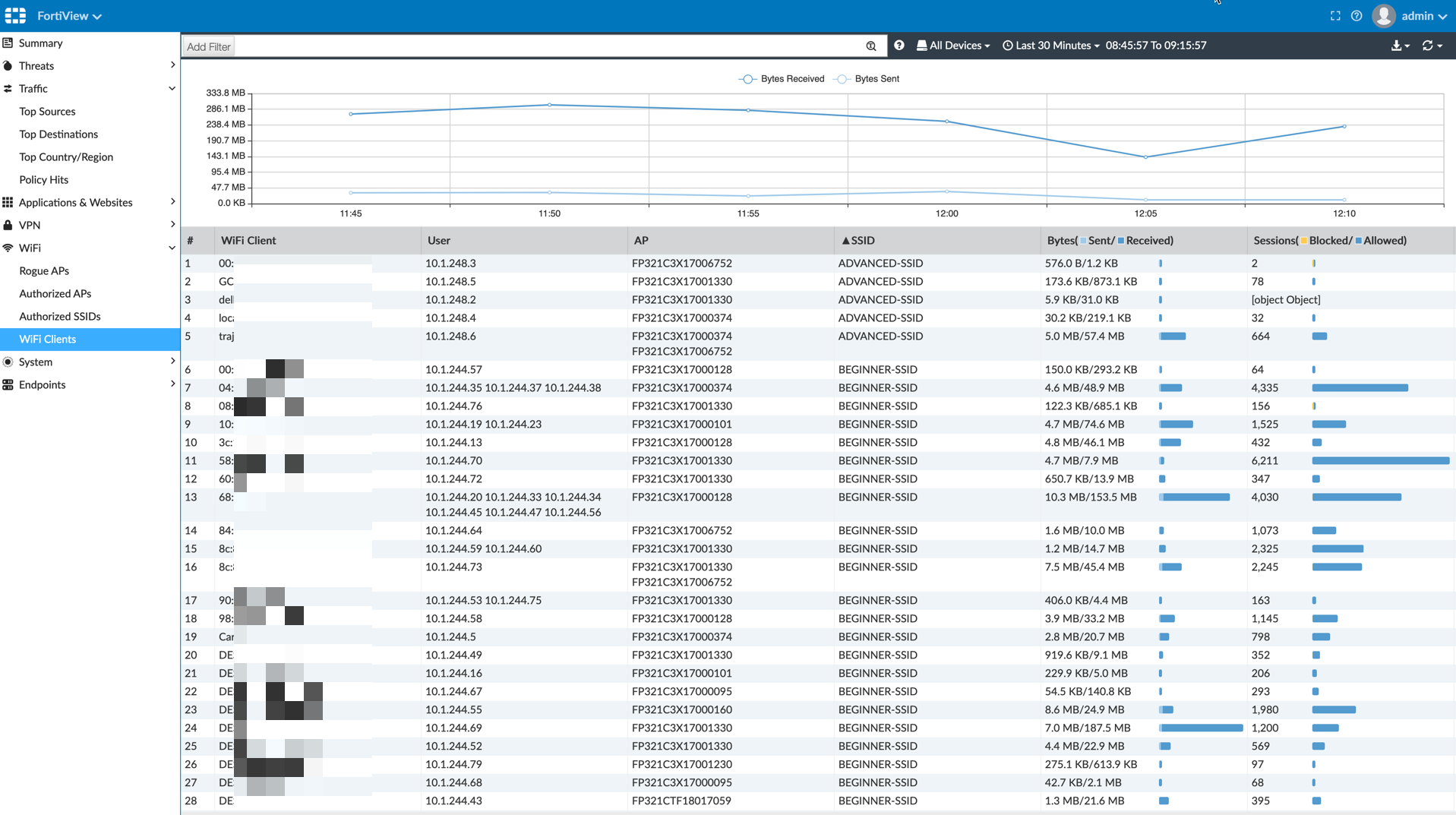
As you can see above, we had a good number of users connected to the WiFi which was truly great.
FortiAnalyzer FortiView
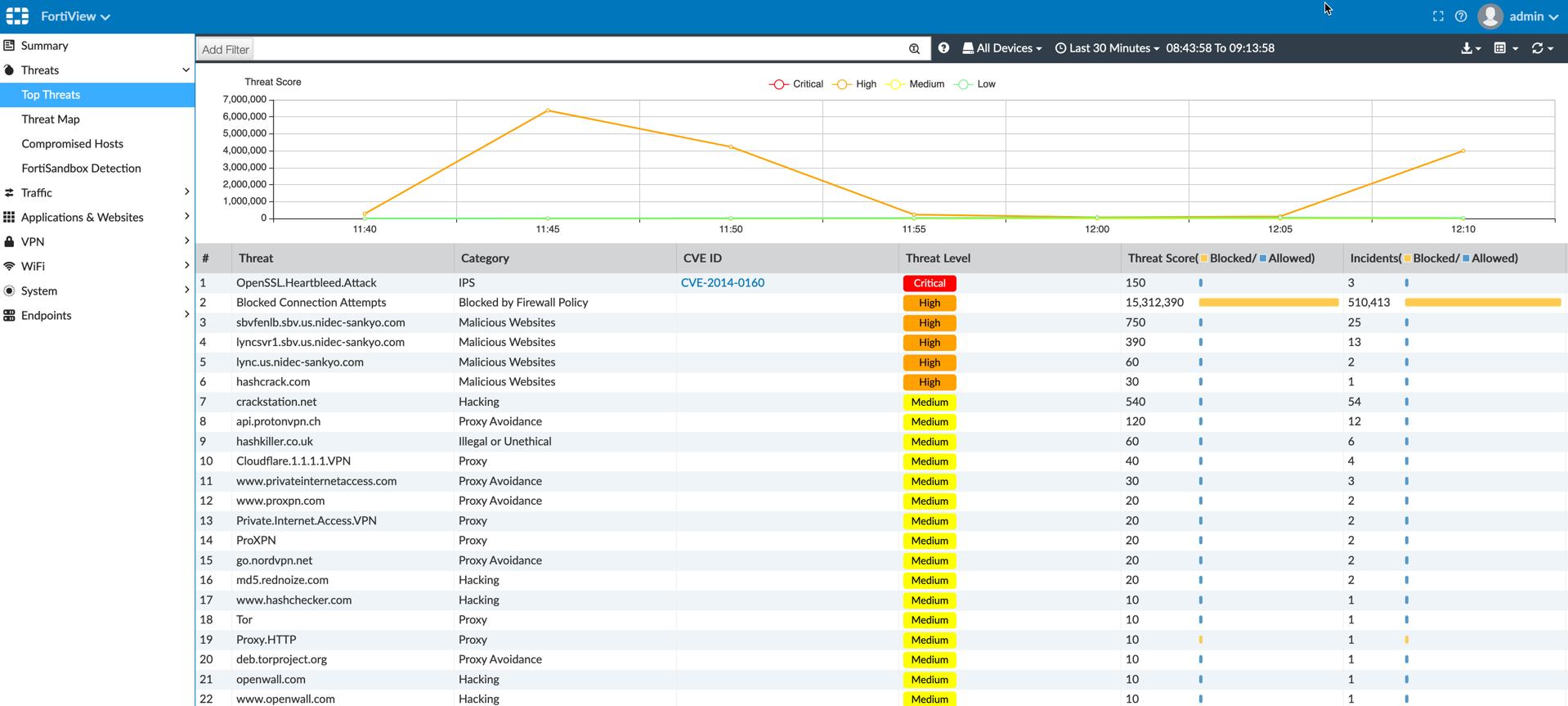
Later in the game, we blocked BitTorrent to limit the downloads.
Advanced IOT Flag SUCCESS


Recent posts
-

-

DNS is one of those technologies that quietly underpins... Full Story
-

BGP issues on FortiGate firewalls usually trace back to... Full Story
-

Every time your laptop talks to your router, a... Full Story
-

If you've spent any time configuring NAT on a... Full Story
-

If you have spent any time configuring firewall policies... Full Story
-

High availability on FortiGate is one of those features... Full Story
-

If you've configured SD-WAN on a FortiGate, you've almost... Full Story
-

FortiLink is the management protocol that turns a FortiSwitch... Full Story
-

FortiSwitches are pretty rock solid from Mean Time Between... Full Story
-

This is a quicky tip. Have you ever gone... Full Story
-

DNS is one of those quiet pieces of internet... Full Story
-

This article is an updated version of the previous... Full Story
-

You will add ns2 as a secondary (slave) BIND9... Full Story
-

In the process of deploying my lab, I needed... Full Story
-

RFC 8805, used to be known as Self-Correcting IP... Full Story
-

Years back, I wrote an article about certificate pinning. ... Full Story
-

FortiGates have the ability to send alerts to Microsoft... Full Story
-

In this post, I am going to walk through... Full Story
-

Troubleshooting VoIP on a FortiGate can feel like trying... Full Story
-

Prior to FortiOS 7.0, there were three commands to... Full Story
-

In this post, I am going to go over... Full Story
-

What we are going to do: We are going... Full Story
-

Choosing between FGCP (FortiGate Clustering Protocol) and FGSP (FortiGate... Full Story
-

Creating a VLAN on macOS (The "Pro" Move) A... Full Story
-

This blog post explores the logic behind how macOS... Full Story
-

Pretty Fly for a Wi-Fi Tell My Wi-Fi Love... Full Story
-

Part of my daily gig is creating BoMs (Bill-of-Materials)... Full Story
-

ICMP introduces several security risks, but careful filtering, rate... Full Story
-

The command diag debug application dhcps -1 enables full... Full Story
-

In the world of FortiOS, execute tac report is... Full Story
-

LLDP; What is it The Link Layer Discovery Protocol... Full Story
-

What it actually does When you run diagnose fdsm... Full Story
-

Monkey Bites are bite-sized, high-impact security insights designed for... Full Story
-

I have run macOS in macOS with Parallels but... Full Story
-

Don't be confused with my other FortiNAC posts where... Full Story
-

This is the third session in a multi-part article... Full Story
-

Today I was configuring key-based authentication on a FortiGate... Full Story
-

Netcat, often called the "Swiss Army knife" of networking,... Full Story
-

At its core, IEEE 802.1X is a network layer... Full Story
-

In case you did not see the previous FortiNAC... Full Story
-

This is our 5th session where we are going... Full Story
-

Now that we have Wireshark installed and somewhat configured,... Full Story
-

The Philosophy of Packet Analysis Troubleshooting isn't about looking... Full Story
-

InfoSecMonkey Threat Response October 24, 2026 | No fluff.... Full Story
-

InfoSecMonkey Threat Response October 24, 2026 | No fluff.... Full Story
-

Plus what you actually get with FortiCare Essential, Premium... Full Story